Wuthering Heights Family Tree: The Earnshaws, the Lintons and Heathcliff
Two families, two houses, two generations and several characters with nearly the same name. This family tree sorts out who is who in Emily Brontë's Wuthering Heights.
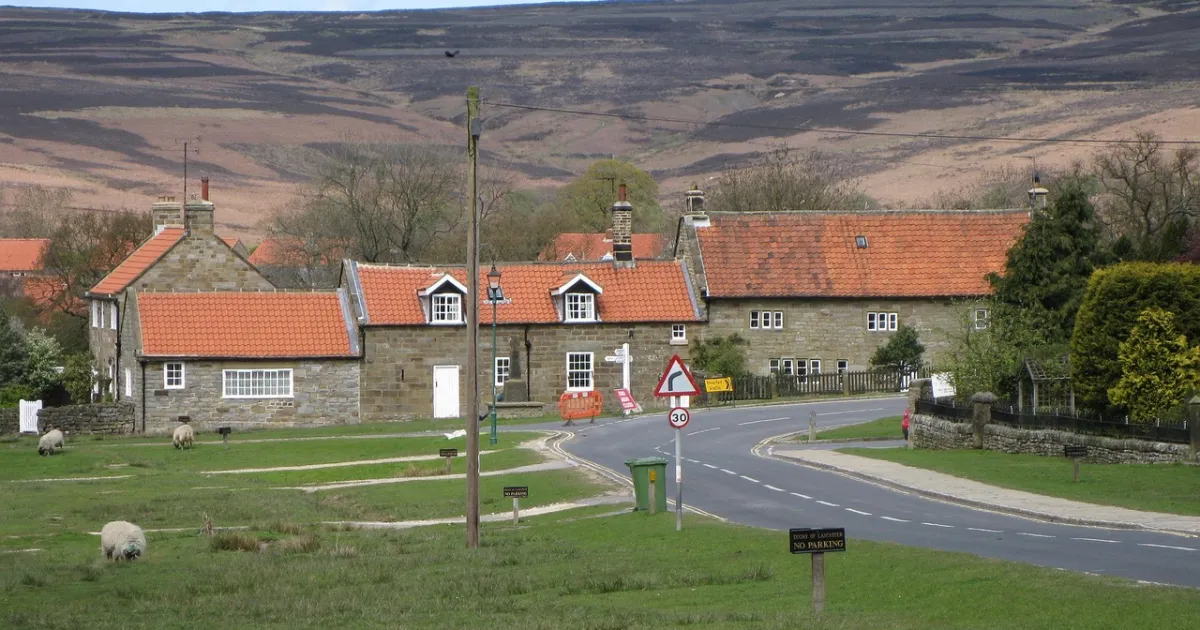
The Wuthering Heights family tree joins two families, the Earnshaws of Wuthering Heights and the Lintons of Thrushcross Grange, across two generations, with Heathcliff, an adopted outsider, married into one family and raised in the other. In the first generation, Catherine Earnshaw marries Edgar Linton and Heathcliff marries Edgar's sister Isabella. In the second, their children and Hindley Earnshaw's son are cousins, and young Catherine marries first one cousin and then plans to marry the other.
Emily Brontë published Wuthering Heights in 1847 under the pen name Ellis Bell. The story is told mostly by the housekeeper Nelly Dean to Mr Lockwood, a new tenant at Thrushcross Grange, who arrives in 1801. Nelly's tale goes back about thirty years, so the family history covers roughly three decades on the Yorkshire moors.
The family tree at a glance
Here is the tree as an indented list. Marriages are marked with "m."
- Mr Earnshaw m. Mrs Earnshaw (of Wuthering Heights)
- Hindley Earnshaw m. Frances
- Hareton Earnshaw
- Catherine Earnshaw m. Edgar Linton
- Catherine (Cathy) Linton m. (1) Linton Heathcliff; (2) plans to marry Hareton Earnshaw
- Heathcliff (orphan brought home and raised by Mr Earnshaw) m. Isabella Linton
- Linton Heathcliff m. Cathy Linton
- Hindley Earnshaw m. Frances
- Mr Linton m. Mrs Linton (of Thrushcross Grange)
- Edgar Linton m. Catherine Earnshaw
- Isabella Linton m. Heathcliff
The key point: the three young people of the second generation, Hareton, Cathy and Linton, are all cousins. Hareton and Cathy are cousins through the Earnshaws; Cathy and Linton are cousins through the Lintons.
The first generation
The Earnshaws
Mr Earnshaw owns Wuthering Heights, a farmhouse on the moors that his family has held for centuries. He has two children, Hindley and Catherine. After a trip to Liverpool he brings home an orphan boy and names him Heathcliff. Mrs Earnshaw distrusts the boy from their first meeting and dies some time later. Mr Earnshaw favors Heathcliff over his own son, which turns Hindley against them both.
When Mr Earnshaw dies, Hindley inherits the Heights. He returns from university with a wife, Frances, who dies after giving birth to their son, Hareton. Hindley's drinking and gambling grow worse, and he dies of alcoholism about six months after his sister.
The Lintons
Mr and Mrs Linton are a landed gentry family at Thrushcross Grange. Their children are Edgar and Isabella. Mr Linton settles the Grange estate in an entail, a legal arrangement controlling who inherits it, and that detail matters later.
The marriages that join the houses
Catherine Earnshaw loves Heathcliff, but she marries Edgar Linton because of his higher social standing. She dies shortly after giving birth to their daughter, also named Catherine, usually called Cathy.
Heathcliff, who left the Heights after misreading Catherine's feelings and returned three years later, mysteriously wealthy, marries Isabella Linton. He marries her for her claim on Thrushcross Grange rather than for love. Isabella eventually flees and gives birth to their son, Linton Heathcliff. She dies when Linton is about twelve. He is brought to the Grange, but Heathcliff insists that his son must live with him at the Heights.
The second generation
Hareton Earnshaw, the heir of the old family, grows up at Wuthering Heights under Heathcliff, who by then has taken control of the house by exploiting Hindley's gambling debts. Heathcliff keeps Hareton rough and uneducated as a way of taking revenge on Hindley, though he is also strangely fond of him.
Cathy Linton grows up sheltered at Thrushcross Grange with her father. Linton Heathcliff is sickly and weak. Heathcliff wants the two of them married, because a marriage would bring the Grange within his reach. Cathy is held at the Heights and agrees to marry Linton when she is seventeen. Edgar dies soon after, Linton dies young, and Heathcliff ends up controlling both houses.
In the closing chapters Cathy, who at first treats Hareton and his lack of education with contempt, grows close to him and teaches him to read. Heathcliff dies, and as the novel ends the two cousins plan to marry and move to the Grange.
Who's who: the family in a table
| Character | Parents | Marries | Children |
|---|---|---|---|
| Mr Earnshaw | Not given | Mrs Earnshaw | Hindley, Catherine; raises Heathcliff |
| Mrs Earnshaw | Not given | Mr Earnshaw | Hindley, Catherine |
| Hindley Earnshaw | Mr and Mrs Earnshaw | Frances | Hareton |
| Frances Earnshaw | Not given | Hindley Earnshaw | Hareton |
| Catherine Earnshaw | Mr and Mrs Earnshaw | Edgar Linton | Cathy |
| Heathcliff | Unknown; adopted by Mr Earnshaw | Isabella Linton | Linton Heathcliff |
| Edgar Linton | Mr and Mrs Linton | Catherine Earnshaw | Cathy |
| Isabella Linton | Mr and Mrs Linton | Heathcliff | Linton Heathcliff |
| Hareton Earnshaw | Hindley and Frances | Plans to marry Cathy at the end | None in the novel |
| Linton Heathcliff | Heathcliff and Isabella | Cathy Linton | None |
| Cathy (Catherine) Linton | Edgar and Catherine | Linton Heathcliff; later plans to marry Hareton | None in the novel |
Why the repeated names matter
First-time readers often stumble over the names, and that confusion is part of the design. Brontë reuses a small set of names so that the second generation seems to replay the first.
- Two Catherines. The daughter carries her mother's first name. Follow her surnames and you can trace the plot: born Catherine Linton, she becomes Catherine Heathcliff by marrying Linton, and her planned marriage to Hareton would make her Catherine Earnshaw, her mother's maiden name.
- Linton as a first name and a surname. Isabella gives her son her family's name. Linton Heathcliff carries both rival identities, and in Heathcliff's plan he is the bridge to the Linton property.
- Heathcliff has only one name. He is the outsider in both families, never fully an Earnshaw, and he uses marriage, his own and his son's, to gain what birth did not give him.
- Hareton Earnshaw is the last of the old family line. The ending, with the Earnshaw heir and the Linton daughter together, can be read as the two houses finally reconciled after a generation of revenge.
Because the story reaches us through Nelly and Lockwood, readers also learn the family history out of order. Brontë's layered narration is a classic frame story; see our guide to story structure for how frames work, and our guide on how to make a family tree if you want to chart a real family the same way.
Questions readers ask
Who is Heathcliff related to in Wuthering Heights?
Heathcliff is not related by blood to anyone in the novel. He is an orphan raised by Mr Earnshaw, he marries Isabella Linton, and he is the father of Linton Heathcliff.
Is Cathy Catherine's daughter?
Yes. Young Catherine, called Cathy, is the daughter of Catherine Earnshaw and Edgar Linton. Her mother dies shortly after she is born.
Are Hareton and Cathy cousins?
Yes. Hareton is the son of Hindley Earnshaw, and Cathy is the daughter of Hindley's sister Catherine, so they are first cousins. Cathy and Linton Heathcliff are also first cousins, through the Linton side.
Who ends up owning Wuthering Heights and Thrushcross Grange?
Heathcliff gains control of both houses during the novel. After his death, Hareton and Cathy, the heirs of the two families, are left to share the future of both.
Sources
Keep reading

What Is Narrative Writing? Definition, Elements, Types and Examples
Narrative writing is writing that tells a story, true or invented. Here are its core elements, its main types, short examples and a table comparing i…

What Is an Unreliable Narrator? Definition, Types and Examples
An unreliable narrator is a storyteller the reader cannot fully trust. Here is where the term comes from, the main types, ten well-known examples and…
Story Structure: Six Classic Shapes and How to Choose One
Story structure is the order in which a story's events are arranged and revealed. Here are six classic shapes, a table comparing them, and advice on …