Oral History Interview Questions: 60 Questions and How to Ask Them
The best oral history interviews feel like a good conversation, but they rest on preparation. Here are 60 questions grouped by stage of life, and the practical steps that turn a chat into a recording worth keeping.
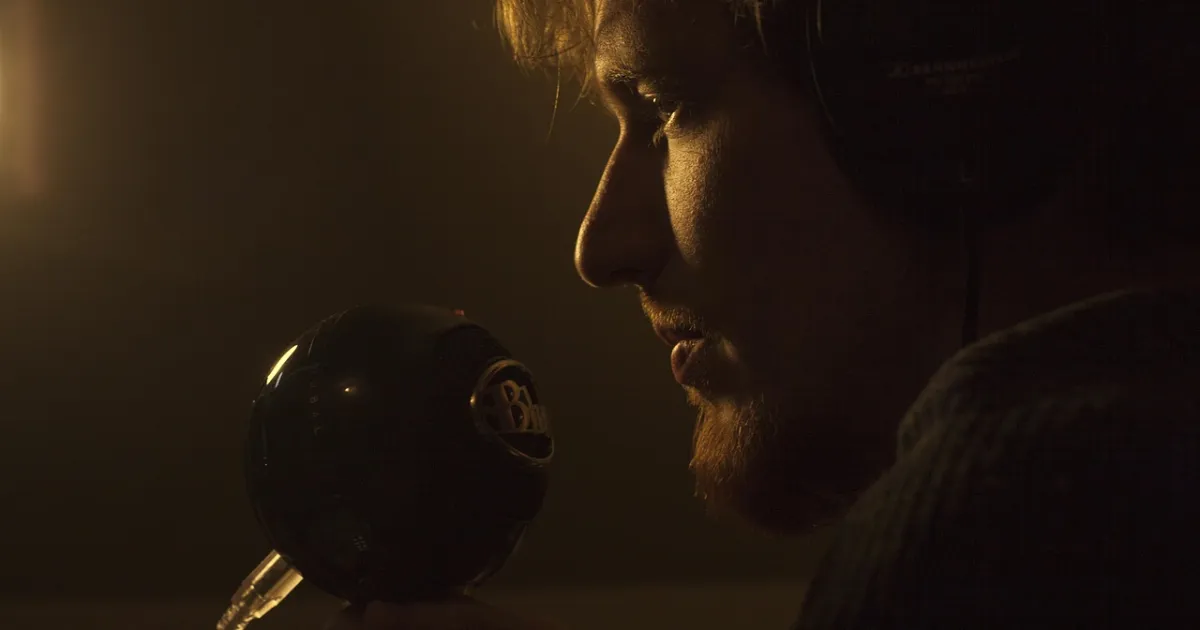
An oral history interview is a recorded conversation in which someone talks about their own life and what they witnessed. The questions matter, but so does everything around them: preparation, consent, a quiet room and what happens to the recording afterwards. Below are 60 questions grouped by stage of life, followed by the practical steps that make an interview worth keeping.
Before you ask anything
- Talk first, record second. Have an unrecorded chat beforehand about what the person is happy to discuss and what is off limits.
- Explain what will happen to the recording. Who will hear it, where it will be kept, and whether it might be shared or placed in an archive. Oral history organizations treat this as a basic ethical step. The US-based Oral History Association sets out its expectations in its Principles and Best Practices, revised in 2018.
- Get agreement in writing if the recording may be shared. A simple release form records what the speaker has agreed to. For a private family recording, a clear spoken agreement at the start of the recording is a minimum.
- Do some homework. Look at photographs, letters and dates in advance. Knowing that someone moved cities in a certain year lets you ask a better question about it.
Setting up the recording
- Choose a quiet room away from traffic, televisions, ticking clocks and fridges.
- A modern phone is good enough. Put it on a soft surface close to the speaker, switch it to airplane mode, and make a short test recording first.
- Start by saying the date, the place, your name and the speaker's name on the recording.
- Plan for about an hour. Long sessions tire people out; it is better to come back another day.
The questions
You will not use all of these. Pick ten or fifteen that suit the person, and let the conversation go where it wants to go.
Early life and family
- When and where were you born? What have you been told about that day?
- What is your earliest memory?
- What were your parents like? What did they do for a living?
- Did you know your grandparents? What do you remember about them?
- Describe the house you grew up in, room by room.
- What did your neighborhood sound and smell like?
- Who else lived with you or nearby?
- What were you not allowed to do as a child?
- What did your family eat on an ordinary day, and on special days?
- What languages were spoken at home?
School and growing up
- What was your first school like? How did you get there?
- Which teacher do you remember most, and why?
- What did you do for fun?
- Who was your best friend? What happened to them?
- What were you good at, and what did you struggle with?
- What did you want to be when you grew up?
- What music, films or books mattered to you as a teenager?
- Were you ever in serious trouble?
- When did you first feel like an adult?
- What did your parents hope you would do with your life?
Work and adult life
- What was your first job? How much were you paid?
- Describe a typical working day at the job you did longest.
- Who taught you the most at work?
- What was the hardest decision you made about work?
- Did you ever move to a new place? What made you go?
- What did it feel like to arrive?
- Did you serve in the military or do any kind of national or community service?
- What changes in your trade or industry did you see over the years?
- What are you proudest of from your working life?
- What would you have done differently?
Love, family and home
- How did you meet your partner or spouse?
- What was your wedding or commitment like, if you had one?
- What was your first home together like?
- What do you remember about becoming a parent?
- What traditions did you keep from your own childhood, and which did you drop?
- What did your family argue about?
- Who held the family together?
- What did you celebrate, and how?
- Which family stories get told again and again?
- Is there a family story you think is not quite true?
The world around you
- What big news events do you remember hearing about? Where were you?
- How did those events change everyday life where you lived?
- What technology arrived in your lifetime that changed things most?
- What did things cost when you were young?
- How has your town or neighborhood changed?
- Was there a time when you felt afraid for your safety or your family's?
- Did you take part in any community, faith or civic group?
- What did you think the future would look like, back then?
- What do young people today not understand about your generation?
- What do you think your generation got wrong?
Looking back
- What was the happiest time of your life?
- What was the hardest year, and what got you through it?
- Who has had the biggest influence on you?
- Is there anyone you wish you had thanked?
- What is the best advice you were ever given?
- What has surprised you about getting older?
- What do you believe now that you did not believe at twenty?
- What are you still curious about?
- How would you like to be remembered?
- Is there anything I should have asked you but didn't?
How to ask
- Ask open questions. "What was it like…" gets a story; "Did you like it?" gets a yes or no.
- Follow the energy. When someone lights up or goes quiet, stay there: "Tell me more about that."
- Ask for the senses and the details. What did it look like, sound like, cost?
- Let silences run. People often add the most important thing after a pause.
- Don't correct or argue. If a date seems wrong, note it and check it later.
- Be ready to stop. Some memories are painful. Offer a break and respect the answer.
After the interview
- Label the file with the speaker's name, the date and the place, and back it up in two places.
- Write a short summary of what was covered, with rough timings. A full transcript is better, but a summary is far better than nothing.
- Share it as agreed. Give a copy to the speaker and to family members if they have agreed to that.
- Consider an archive. Some projects collect recordings for the long term. StoryCorps, founded in 2003, archives interviews with participants' permission at the American Folklife Center at the Library of Congress, and the Library's Veterans History Project, established in 2000, collects first-hand accounts from US veterans. Local libraries and historical societies may also take recordings.
Recordings like these are also the raw material of family memoirs. If you want to turn them into writing, see our guide on how to write a memoir.
Questions readers ask
How long should an oral history interview be?
About an hour is a good length for one session. If there is more to say, schedule a second session rather than tiring the speaker.
Do I need a release form for a family interview?
For a recording that stays in the family, a clear spoken agreement at the start may be enough. If the recording might be published, shared online or given to an archive, a written release is the safer choice.
What equipment do I need for an oral history interview?
A modern smartphone in a quiet room works well. An external microphone helps, but a good room and a test recording matter more than expensive equipment.
What is the best first question?
Start with something easy and concrete, such as where and when the person was born or their earliest memory. It warms them up for harder questions later.
Sources
Keep reading
What Is Oral Tradition? Definition, Forms and Examples
Oral tradition is how cultures pass knowledge, stories and beliefs from one generation to the next by speaking and singing rather than writing. Here …
What Is Oral History? Definition, History and How to Start a Project
Oral history is the practice of recording planned interviews with people about what they lived through, then keeping those recordings for others. Her…